
Where marketing and pursuit work usually slows down
The delay is rarely the writing itself. It is finding the right past work, reading the RFP for what it actually requires, and producing the submittal from leftover files.
We start with a process you understand, pick one of these slow points, and rebuild it in the tools you already use.
Three places AI usually helps in pursuit work.
These are the usual starting points. We choose one, implement it with your team, and keep people on the decisions that quality and compliance require.
Past performance you can actually reuse
Project data, resumes, and write-ups live in too many places to trust on a short deadline. SMEs get asked for the same facts they have already sent.
A private way to find and reuse the firm's own past work, scoped to your systems and your people. Queries stay inside your stack.
Which project is the right proof, what the firm will claim, and what goes in the book.
RFP review and response structure
The RFP has to be read for real requirements before anyone can outline a response. Days go to listing shalls instead of deciding the approach.
A review workflow that pulls requirements, maps them to a response structure, and keeps the source paragraph in reach for SF330, SOQ, and similar formats.
Compliance judgment, win themes, and what the team will actually promise.
Submittal production support
Production time goes to re-flowing the same sheets, resumes, and graphics. A strategy change late in the week rebuilds files that were already almost done.
Production support that starts from structured content and the templates you already use, including InDesign when that is the production path.
Color review, visual quality, and the last decision before it leaves the firm.
Content that feeds the next pursuit
Proposal work is easier when the firm already has current write-ups, visible principals, and pages BD can send. These are supporting systems, not a second product.
Only promise what an engagement can scope. Content work is in play when it feeds the next pursuit, not as a stand-alone marketing department.
Who this is for
The same starting points show up across these seats. The owner of the workflow is different.
In-house marketing coordinators and directors
One seat often owns proposals, content, events, and the next shortlist. We pick one workflow that is actually eating the week and leave you able to run it.
Proposal and capture managers
The job is strategy, compliance, and review. Too much of it is hunting files and rebuilding outlines. We put AI on the slow parts and keep judgment with you.
Principals and BD leaders
You own the pipeline and the people. The question is whether the pursuit system can take more work without another hire. We start with one process you can see, not a platform roll-out.
How we usually work together
The shape matches the rest of the practice: one workflow, built with the people who run it, left with an internal owner.
Name the starting point
We sit with the people who run the pursuit and choose one slow or expensive step. Past-performance reuse, RFP review, or submittal production are the usual first choices.
Map the current path
We walk a real RFP, a real library, or a real submittal. The old steps stay visible so we only rebuild the ones that waste time.
Build in your stack
We implement the workflow in tools you already use when access allows. Deltek, SharePoint, InDesign, and similar stay. This is not a new proposal platform to log into.
Leave an internal owner
Someone on your side can run daily use. I own the implementation during the engagement. Your owner owns ongoing use after it.
If the first conversation points somewhere else, start here:
How we treat your firm's work
- Your past performance, proposals, and project files stay yours. We do not use them to train outside models.
- Workflows run in your stack when access and feasibility allow. You are not asked to move the firm's memory into a separate proposal product.
- Human review stays where quality, compliance, and what the firm will claim require it.
- I work with your team on one starting point, implement it, and leave an internal owner who can run it.
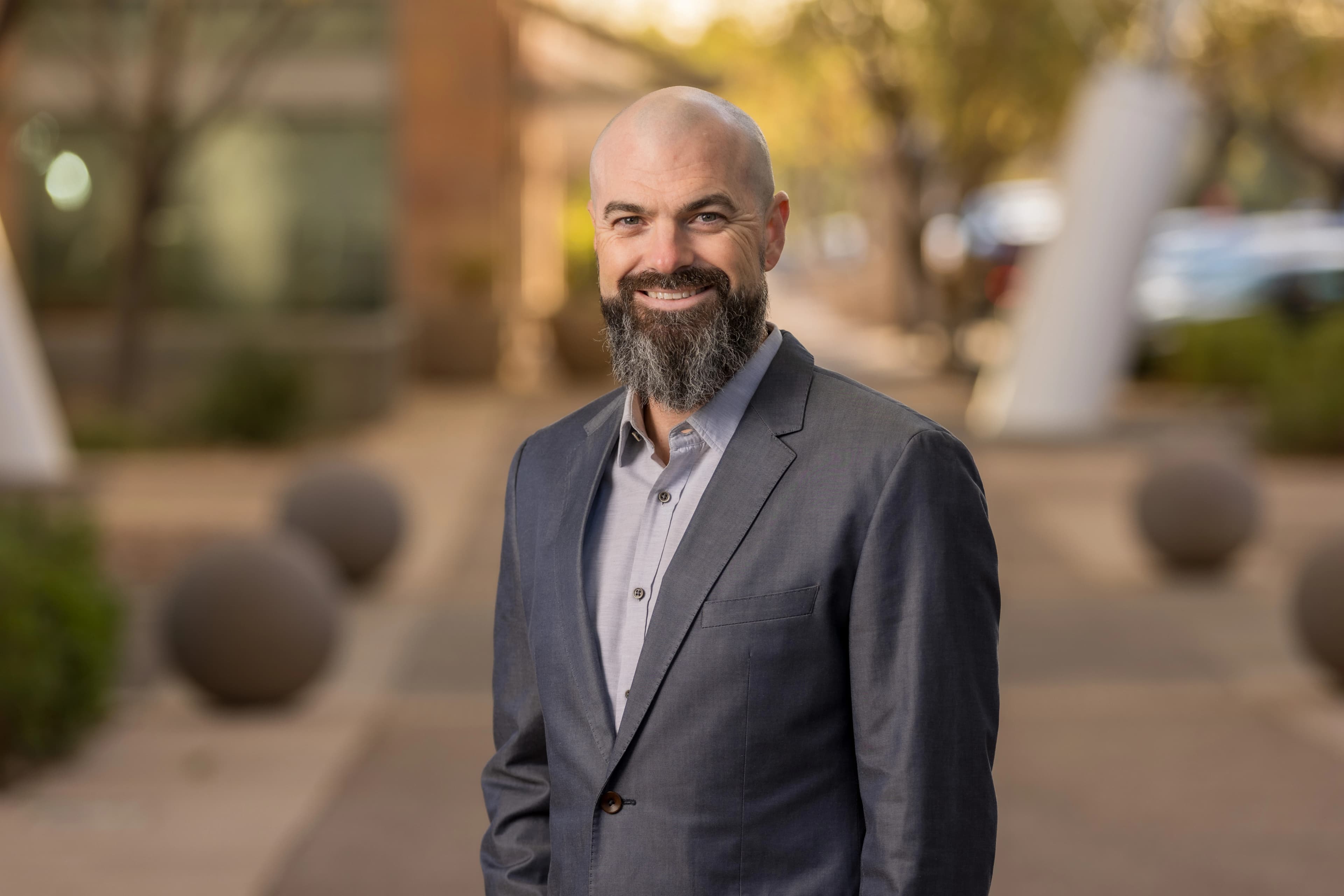
Work with me directly
I founded POLR AI to put AI into operational work, not next to it. For marketing and pursuit teams, that means sitting with the people who already run RFPs, past performance, and submittals, then building one useful workflow they can keep.
I spent fifteen years in video production and creative leadership, including seven years running teams at an agency, before this work. The through line is the same: sit with the people doing the job, then build something they can run.
- Member of the Claude Partner Network
- Board member, AZIMA
- Speaks on AI for leadership teams
Questions from marketing and pursuit teams
Tell me which part of the pursuit work needs to get easier.
Share the slow step in a current pursuit: finding past work, reading the RFP, or producing the submittal. I will tell you whether it is a good first workflow, or whether we should start smaller.