
I build AI into the work you already do.
I sit with your leaders and the people doing the work. We pick one workflow that is actually slow or expensive, rebuild it where the old steps are wasting time, and leave your team able to run what we built.
AI consulting and implementation for architecture, engineering, and construction teams. Also serving manufacturing, distribution, and other operations teams.
Same work.
A better way through.

Work directly with Brennan Gerle, founder of POLR AI. Based in Chandler, Arizona; working with teams nationwide.
PRIORITIZE / BUILD / PROVEWhere is routine work slowing your team down?
Licenses and chat tools are already common. The slow work stays slow when the workflow has not been redesigned. Existing systems can stay. The process may need to change.
Finding the right answer
People search email, folders, and chat for something someone already decided. Time goes to hunting instead of using the answer.
Preparing the next document
Quotes, proposals, reports, and status updates get rebuilt from leftover files. The next version starts over even when the last one was close.
Moving work between systems
Updates get copied from one tool into another. Hand-offs wait on someone who already entered the same facts somewhere else.
How I can help.
I help your team improve recurring work, build tools that fit, and put AI into practice. Explore the work below.
Reduce document preparation, repeated data entry, and manual handoffs. Keep people involved where the work needs review and judgment.
Workflow illustrationBuild searchable libraries, proposal tools, and applications that fit your work when existing products fall short.
Workflow illustrationPractice with real work, establish review habits, and help an internal owner run the process with confidence.
Workflow illustrationChoose priorities, evaluate tools, and work through cost, access, and rollout decisions with someone who also does the implementation.
Workflow illustrationCompare bids with the scope in view.
Different formats, missing line items, and exclusions make bids hard to compare. A structured comparison helps the team see what needs a closer look.
This walkthrough uses fictional bid information to explain the work. It does not report measured client results.
See the bid-leveling walkthrough| SCOPE ITEM | BID A | BID B | BID C |
|---|---|---|---|
| Preparation | Included | Included | Included |
| Protection | Included | Not stated | Included |
| Cleanup | Included | Included | Excluded |
Your team verifies the sources and decides.
Gather the bids
Bring the proposals and the scope of work together. Keep the original documents available.
Structure the comparison
Use assistance to organize scope, inclusions, exclusions, and questions that need an answer.
Review before deciding
A person checks the comparison against each source, confirms prices and scope, and makes the award decision.
Start with one workflow worth improving.
We work inside the systems you already run when access and feasibility allow. Your team builds, practices, and reviews the work with me.
Prioritize
We name the outcome that matters, question steps that waste time, and agree on a baseline for one workflow. We look past only the familiar tasks when a quieter step is where the time actually goes.
Build
We rebuild the path, keep context and review in place, and practice the new work with the people who will run it. Testing starts here, not only at the end.
Prove
We review quality, adoption, and operating cost alongside speed. Financial return is discussed only when costs and benefits can be established.
Keep improving the work, together.
If we continue after the first sprint, we choose the next workflow together and keep a ranked backlog. I build alongside your team, with practical training, office hours, advisory support, and rollout guidance inside the agreed scope. We review adoption, quality, operating cost, and results as the work progresses.
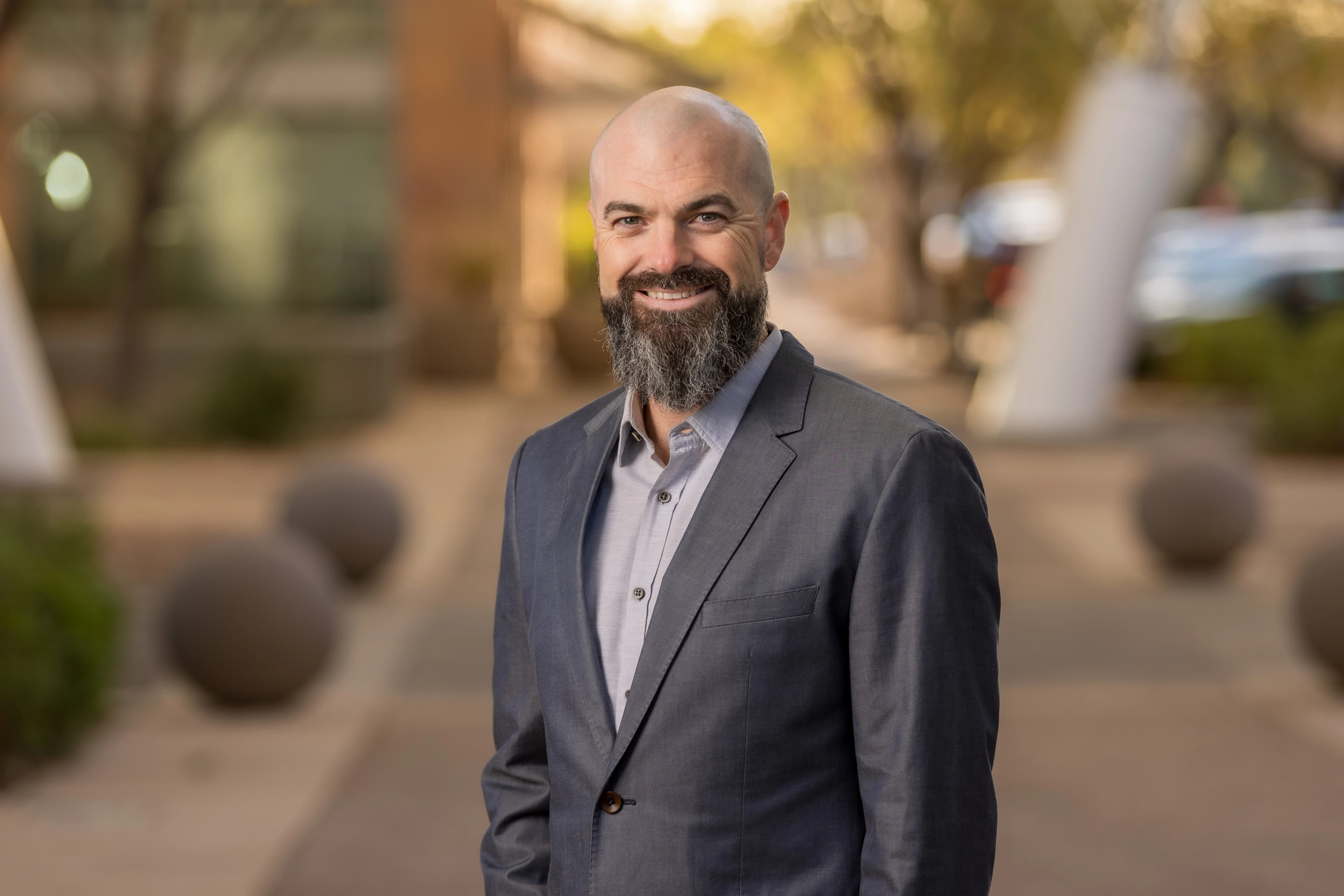
Meet Brennan Gerle.
I founded POLR AI to put AI into operational work, not next to it. I sit with your team, own the implementation during the engagement, and leave an internal owner ready to run daily use.
I spent fifteen years in video production and creative leadership, including seven years running teams at an agency, before this work. The through line is the same: sit with the people doing the job, then build something they can run.
- Member of the Claude Partner Network
- Board member, AZIMA
- Speaks on AI for leadership teams
Chandler, Arizona · Working with teams nationwide
Questions worth answering first.
Can we keep working together after the sprint?
If we continue after the first sprint, we choose the next workflow together and keep a ranked backlog. I build alongside your team, with practical training, office hours, advisory support, and rollout guidance inside the agreed scope. We review adoption, quality, operating cost, and results as the work progresses. Work is paid monthly within an agreed engagement. We scope the next cycle together. Custom applications, infrastructure, substantial integrations, and additional development are scoped separately.
Who is this for?
Architecture, engineering, and construction teams. I also work with manufacturing, distribution, and other operations teams when the work is similar.
What is the 90-Day Sprint?
A focused engagement to improve one agreed workflow. We redesign the path where old steps waste time, build the solution, train your team through practice, and review the result against a baseline we set together. Agent count does not define the purchase.
Do you replace our systems?
I work inside the systems you already run when access and feasibility allow. Existing systems can stay. The process may be redesigned.
How do you measure results?
We agree on a baseline and a date range, count review and correction time, and look at quality and adoption alongside speed. Time freed is reported separately from cash saved. A self-reported readiness score is useful context, not a measured operating result.
Who owns the work after 90 days?
I own the implementation and the commitments in the engagement. Your internal owner owns ongoing business use and the decisions that follow from it. Daily use and routine exceptions can sit with that owner. Technical maintenance may still be needed.
Tell me which part of the work needs to get easier.
Share the workflow that is slow or expensive. I will tell you whether a sprint is the right next step, or whether we should start smaller.
Prefer to skip the form? Book a call directly, or take the Readiness Assessment.
Chandler, AZ · Working with teams nationwide